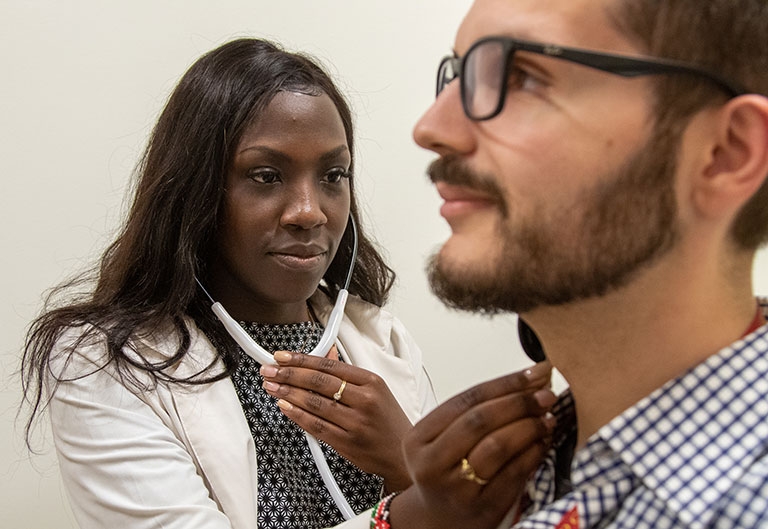
Unparalleled Training
- Small classes – personalized learning
- Prepared for two NP roles
- Eligible for two certification exams
- CCNE accredited
- Accessible and competitive tuition
- Majority of courses available online

Apply to RIC Request Information
This BSN-to-DNP program prepares you for both the Adult-Gerontology Acute Care Nurse Practitioner (AGACNP) and Family Nurse Practitioner (FNP) roles, enabling you to practice across the lifespan and continuum of care while enhancing your marketability and professional flexibility. Upon completion, you will be eligible to pursue certification in both specialties. Designed for nurses who hold a BSN and have at least one year of acute care experience, our program allows students to complete the majority of coursework online, studying full-time or part-time.
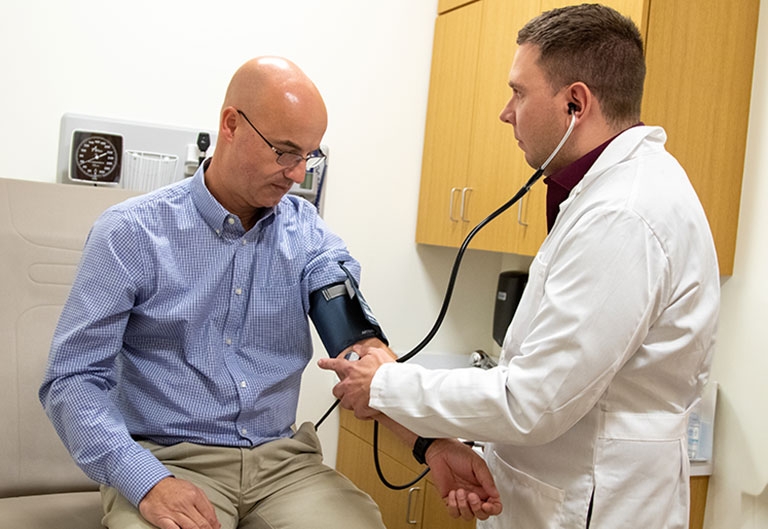
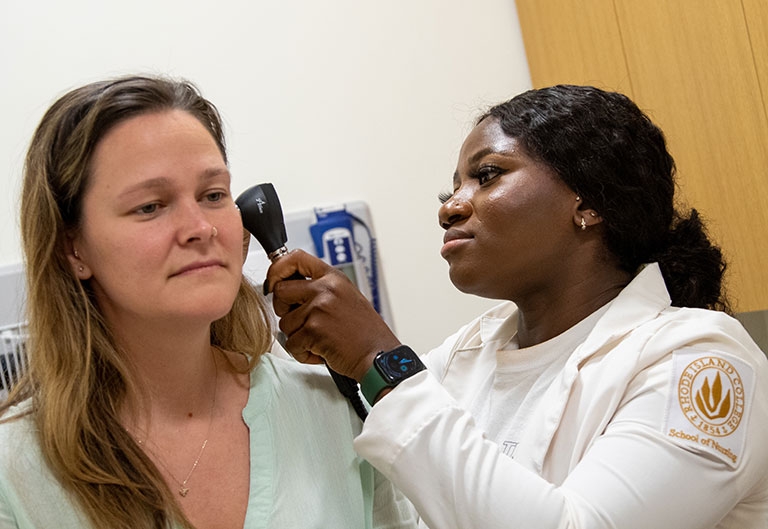
Students in this program may take the majority of their courses online via the RIC Hyflex model. This model is designed to provide the highest quality education coupled with the flexibility and accessibility needed by adult learners. Synchronous sessions are offered in both in-person and remote formats, allowing students the flexibility to participate in each class in the way that best meets their needs.
Adult-Gerontology Acute Care Nurse Practitioners (AGACNPs) are advanced practice registered nurses who provide specialized care to adult and older patients with acute, critical, and complex conditions. They assess and diagnose patients, order and interpret tests, prescribe medications, and manage rapidly changing or severe health issues. Practicing in settings such as hospitals and specialty care units, AGACNPs combine advanced clinical expertise with a focus on high-acuity care, evidence-based practice, and improving patient outcomes. If you're looking for further clarity on the AGACNP role our AGACNP frequently asked questions may help!
Program graduates will be eligible to sit for both Adult/Gerontology Acute Care NP (AGACNP) and Family Nurse Practitioner (FNP) certification. The AGACNP certification boards include The American Association of Critical Care Nurses (AANC) and The American Nurses Credentialing Center (ANCC).
Family Nurse Practitioners (FNPs) are advanced practice registered nurses who provide comprehensive, primary care across the lifespan—from infants to older adults. They assess and diagnose patients, order and interpret tests, prescribe medications, and manage both acute and chronic conditions. Practicing in settings like community clinics, private practices, and health systems, FNPs combine clinical expertise with a strong focus on prevention, education, and whole-family care. If you're looking for further clarity on the FNP role our FNP frequently asked questions may help!
Program graduates will be eligible to sit for both Adult/Gerontology Acute Care NP (AGACNP) and Family Nurse Practitioner (FNP) certification. FNP certification boards include The American Nurses Credentialing Center (ANCC) and American Association of Nurse Practitioners Certification Board.
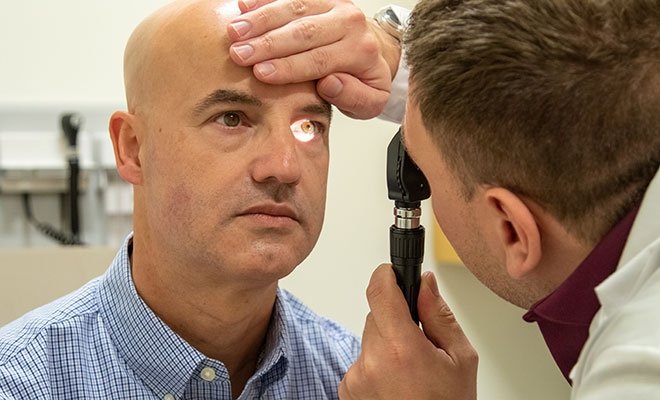
Learn more about admissions requirements, courses, retention, program outcomes, and tuition & fees.
On average, AGACNPs have about 6.3 years of professional experience.
Full-time AGACNPs earn a median total annual income of $113,000, which includes base salary, productivity bonuses, incentive payments, and other compensation.
The top clinical focus areas for AGACNPs are critical care, cardiovascular care, and hospitalist practice.
AGACNPs most commonly practice in hospital inpatient units and hospital outpatient clinics.
The most common diagnoses treated by AGACNPs include hypertension, heart failure, and diabetes.
On average, Family Nurse Practitioners have about 9.8 years of professional experience.
Full-time FNPs have a median total annual income of $115,000, which includes base salary, productivity bonuses, incentive payments, and other compensation.
The top clinical focus areas for FNPs are family practice, primary care, and urgent care.
FNPs most often practice in hospital outpatient clinics, private group practices, and private physician practices.
The top diagnoses treated by FNPs include abdominal pain, urinary tract infections, and gastroesophageal reflux disease.
The baccalaureate degree program in nursing, master’s degree program in nursing, and Doctor of Nursing Practice program at Rhode Island College are accredited by the Commission on Collegiate Nursing Education.
To begin the process, you'll need to set up a free account. Then you can start your application, save your progress, upload documents, and check your status anytime.
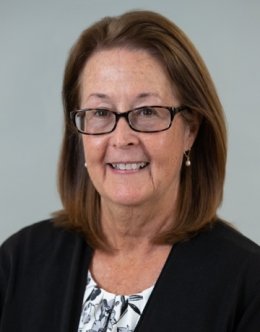
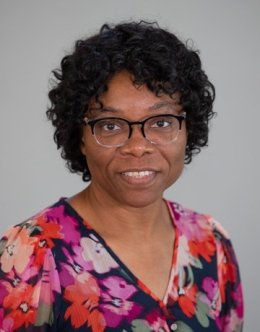
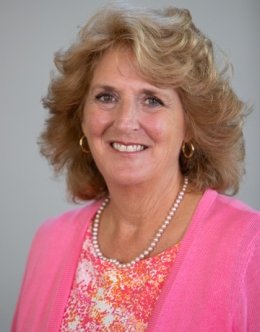
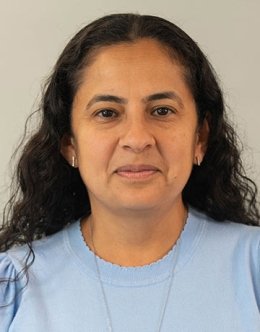
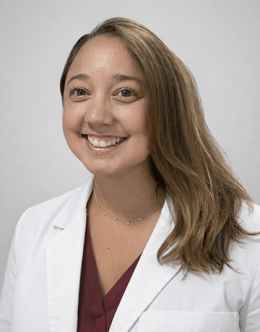
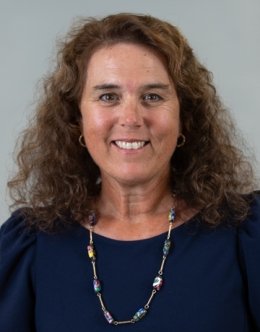
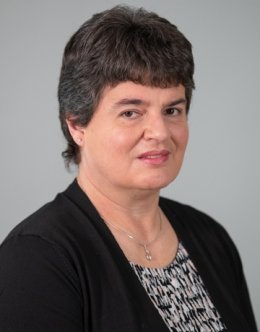
We have 30+ full-time faculty teaching in the Zvart Onanian School of Nursing, each with a master's degree in a nursing specialty. 20+ Zvart Onanian School of Nursing faculty are doctorally prepared, and many hold national certifications.








Students of the DNP Program will demonstrate mastery of all of the Essentials of Doctoral Education for Advanced Nursing Practice (AACN, 2006) and the AACN (2021) Competencies and level-2 Sub-competencies within the Ten Domains for Nursing, leading to achievement of the following DNP End-of-Program Outcomes:
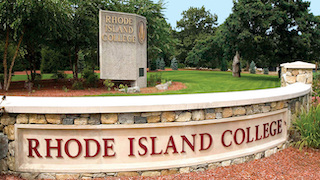
Rhode Island Nursing Education Center (RINEC) is a Providence-based facility for baccalaureate, master’s and doctoral level nursing instruction for RIC's Zvart Onanian School of Nursing and URI's College of Nursing.