
BSN to DNP With Population Public Health Specialization

Lead in Your Nursing Career as an Advanced Population/Public Health Nurse (P/PH)

Older woman working with colleagues at a table

Protect population health through nursing, social, and public health expertise.

Apply to RIC Request Information

Our Population/Public Health program, which allows students to take up to 100% of courses online, is designed for individuals who hold a BSN degree. Get started today in a flexible program that allows for in-person and online learning—studying full-time or part-time– and make real-world change.

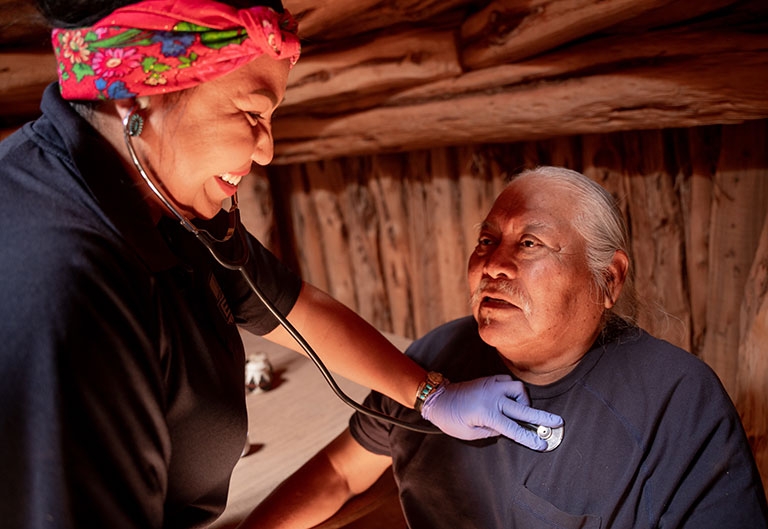
Nurse listening to patient breathing via a stethoscope

P/PH Responsibilities & Impact

  • Prevent disease and promote health – Create programs, encourage healthy behaviors, and provide early screenings.
  • Advance health equity and access – Address social needs and connect people to essential resources.
  • Lead and advocate for communities – Manage crises, shape policy, and ensure safety.
More P/PH Details

campaign

Take Up to 100% of Courses Online!

Students in this program can participate in up to 100% of courses online via the RIC Hyflex model. This model is designed to provide the highest quality education coupled with the flexibility and accessibility needed by adult learners. Synchronous sessions are offered in both in-person and remote formats, allowing students the flexibility to participate in each class in the way that best meets their needs.

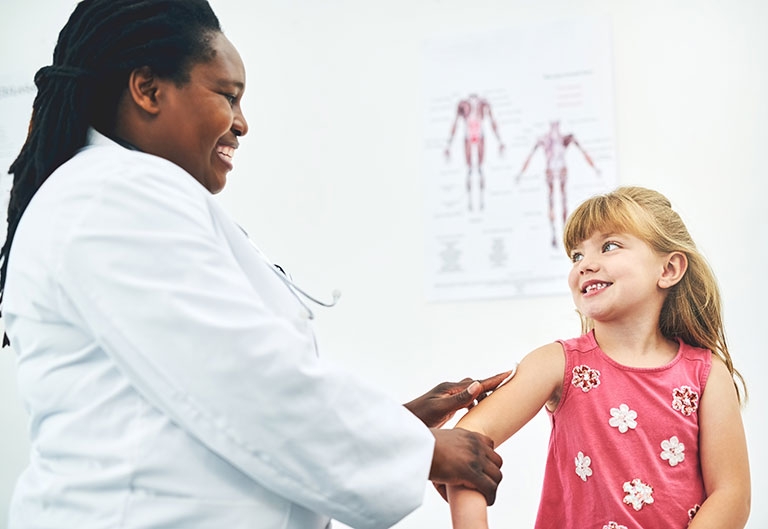
Nurse examining young child

Unparalleled Preparation

  • Small classes – personalized learning
  • CCNE accredited
  • Accessible and competitive tuition
  • Full-time and part-time options

About the Population/Public Health Nurse Role

A Population/Public Health Nurse promotes and protects the health of populations by integrating knowledge from nursing, social sciences, and public health. These nurses work with individuals, families, and communities to improve health outcomes on a broad scale. They focus on prevention, education, and advocacy to reduce health disparities and foster healthier communities. P/PH Nurses play a critical role in addressing the social determinants of health and implementing strategies to support community-wide well-being.

Start Exploring All Program Details

Frequently Asked Questions About P/PH Nurses

Population/Public Health Nursing focuses on improving the health of communities and populations by combining nursing practice with public health and social sciences. In this role, you’ll emphasize prevention, promote health and wellness, and work to reduce health inequities at the community and population level.

Clinical nursing focuses on caring for individual patients, often in acute or episodic settings. In contrast, population/public health nursing expands your impact beyond one patient at a time—you’ll address the social, environmental, and structural factors that shape health across entire communities.

Population/Public Health nurses take on roles such as community health nurse, school nurse, maternal and child health nurse, epidemiology or program coordinator, policy and advocacy specialist, and public health leader or administrator. In these roles, you’ll combine clinical expertise with education, systems change, and population-based planning to improve health at the community level.

Population/Public Health nurses practice in a wide range of settings, including health departments, schools, homes, community health centers, clinics, correctional facilities, workplaces, and mobile health units. In this role, you’ll work directly within the communities you serve to improve access, promote health, and address local needs.

This program is designed for nurses who want to expand their impact beyond individual patient care to focus on population health, prevention, and community well-being. It’s a strong fit whether you’re a student, early-career nurse, or experienced professional looking to move into public health, leadership, or community-based roles.

The RIC Advantage

The baccalaureate degree program in nursing, master’s degree program in nursing, and Doctor of Nursing Practice program at Rhode Island College are accredited by the Commission on Collegiate Nursing Education.

#15
in New England for Nursing among public universities - 2024 U.S. World News & Report
laptop_mac

Apply for Graduate Admission

To begin the process you will need to sign up for an account with CollegeNET. Once you have a CollegeNET account, you will be able to log in any time and see your Activity Log which shows you a personalized status page.

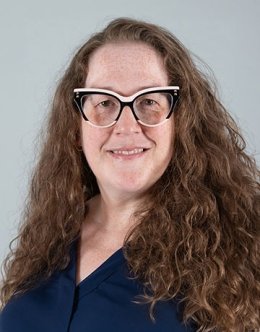
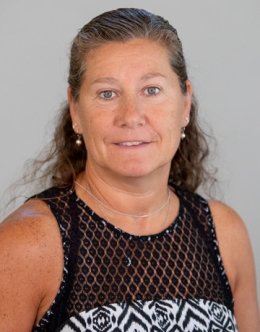
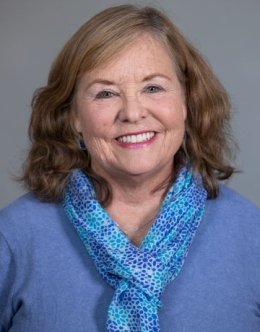
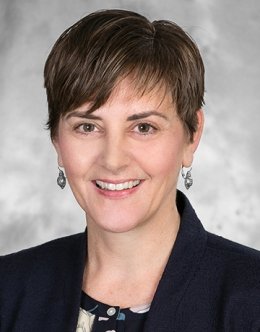
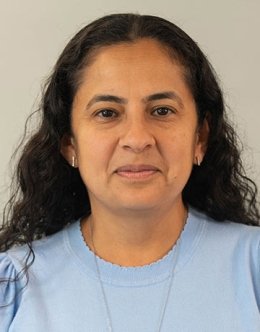
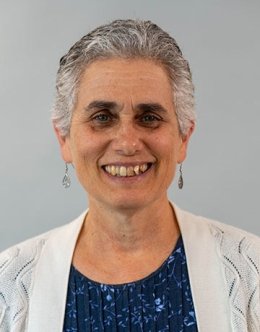
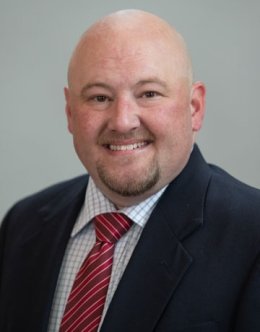
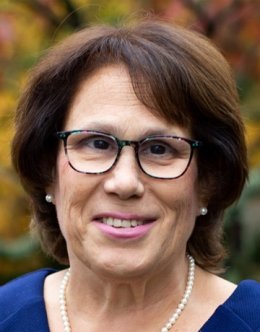
Our Nursing Faculty

Program Details

Admission Requirements

  • completed application form accompanied by a $50 nonrefundable application fee
  • baccalaureate degree in nursing from an NLNAC or CCNE accredited program.
  • applicants with international degrees must have their transcripts evaluated for degree and grade equivalency to that of a regionally accredited institution in the United States
  • official transcripts of all undergraduate and graduate records
  • minimum GPA of 3.0 on a 4.0 scale in undergraduate coursework
  • preferred undergraduate minimum GPA of 3.0 in science courses
  • official report on the Test of English as a Foreign Language (TOEFL) from international applicants for whom English is not their first language
  • professional resume or curriculum vitae
  • 3 professional references - one must be from a clinical supervisor
  • statement of intent that demonstrates the candidate’s leadership and practice experience and reasons for pursuing doctoral study (Please Note: The statement should be representative of the applicant’s writing ability. The statement should be two-to-four typed pages, double-spaced and written in 12-point font.)
  • proof of residency required for in-state tuition
  • interview may be required

Course Information

Here we provide information on course descriptions and recommended plan of study.

Course Requirements

DNP Course Descriptions

Retention Requirements

  • All students are expected to maintain a cumulative GPA of 3.00 (grade of B) or greater in their graduate program.
  • Students who earn less than a B, including a grade of U, in a required nursing course will have their status reviewed by the DNP program director.
  • Students who do not achieve a minimum grade of B in Advanced Health Assessment, Advanced Pathophysiology or Advanced Pharmacology must repeat the course and may not progress in clinical courses.
  • Students who earn a grade less than B- in the required science courses, including BIOL 535 and BIOL 536, will be placed on probationary status.
  • Students on probationary status must achieve a minimum grade of B in all required nursing courses over the next 9 credits.
  • Two grades below a B are sufficient cause for consideration of dismissal. The decision regarding a student's status will be made by the DNP program director in consultation with the dean.
  • Students may be required to repeat a course at the discretion of the DNP program director.

DNP Program Outcomes

Students of the DNP Program will demonstrate mastery of all of the Essentials of Doctoral Education for Advanced Nursing Practice (AACN, 2006) and the AACN (2021) Competencies and level-2 Sub-competencies within the Ten Domains for Nursing, leading to achievement of the following DNP End-of-Program Outcomes: 

  • demonstrate the integration, translation, synthesis, and application of established and evolving knowledge from basic science, nursing knowledge and other ways of knowing, and other disciplines that results in clinical judgment founded on a broad knowledge base [Domain 1] [DNP Essentials I, III, VIII]
  • evaluate person-centered care at the advanced nursing level across the organization/system, provider, patient, and/or population level that focuses on the individual within multiple complicated contexts, including family and/or important others [Domain 2] [DNP Essential II, V, VI, VII, VIII]
  • design population health systems that span the healthcare delivery continuum from public health prevention to disease management of populations [Domains 3, 6, 9] [DNP Essentials VI, VII, VIII]
  • generate, synthesize, translate, criticize, apply, and disseminate nursing knowledge that improves health and transforms health care [Domains 1, 4, 5, 7, 10] [DNP Essentials I, II, III, IV, V, VIII]
  • optimize health and healthcare outcomes using principles of health, quality, safety, and implementation science, through both system effectiveness and individual performance [Domain 5, 7] [DNP Essentials I, II, IV, VII, VIII]
  • lead collaborative initiatives across professions and with care team members, patients, families, communities, and other stakeholders to optimize care, enhance the healthcare experience, and strengthen outcomes [Domains 2, 6,7] [DNP Essentials V, VI, VII, VIII]
  • design evidence-based methodologies, system-thinking, business, and financial acumen to provide safe, quality, evidence-based and equitable care to diverse populations [Domains 3, 4, 5, 7, 9, 10] [DNP Essentials , II, III, IV, V, VI, VII, VIII]
  • analyze information and communication technologies and informatics processes to gather data, support care delivery, and inform decision making [Domains 4, 5, 7, 8, 9, 10] [DNP Essentials , II, III, IV, V, VII, VIII]
  • cultivate an advanced-level professional nursing identity that encompasses self-reflective practice, commitment to inclusivity and social justice, accountability, collaborative disposition and ethical comportment that reflects nursing’s values [Domains 6, 9, 10] [DNP Essentials I, II, V, VI, VIII]
  • foster organizational commitment to promote personal health, resilience, well-being; contribution to lifelong learning; expansion of nursing expertise, and the assertation of leadership [Domains 9, 10] [DNP Essential VIII] 
Rhode Island College entrance

Rhode Island Nursing Education Center

Rhode Island Nursing Education Center (RINEC) is a Providence-based facility for baccalaureate, master’s and doctoral level nursing instruction for RIC's Zvart Onanian School of Nursing and URI's College of Nursing.